
Znáte ten pocit – koukáte na prázdný content calendar a říkáte si: „co tam sakra dáme dál?“
Každý social media manager, agentura i značka to zažili. Pravdou je, že nejlepší content strategie pro sociální sítě není o tom publikovat víc, ale publikovat chytřeji – s jasným účelem, konzistentně a pestře.
V tom vám pomůže jasný systém. Připravili jsme pro vás přehled pěti hlavních typů obsahu na sociální sítě, které byste měli postovat, abyste si udrželi zapojené publikum, srozumitelné sdělení a hladký workflow. Schválně, jestli je znáte všechny 👇🏻
1. Edukativní obsah a how-to posty
Neučíte jen tak, budujete autoritu
Když sledující scrollují feedem, ne vždy chtějí něco kupovat (překvapení, že? 😏) – často se chtějí něco dozvědět. Edukativní posty jsou pilířem každé dobré content strategie pro sociální sítě, protože přinášejí hodnotu jako první.
Může jít o how-to karusely, rychlé tipy, mini-průvodce nebo krátká videa, která diváka něco naučí za méně než 30 vteřin. Značky, které pravidelně sdílejí vzdělávací obsah, mají vyšší engagement a silnější důvěru. Stáváte se expertem v oboru – nejste jen další značka, která křičí do prázdna.
Existuje 6 hlavních typů edukativních postů:
| Typ edukativního postu | Popis | Příklad |
| Častá chyba | Upozorněte na běžné chyby ve vašem oboru a jak se jim vyhnout | „Přestaňte kopírovat velké tvůrce, udělejte raději tohle…“ |
| Mýtus vs. fakta | Vyvraťte mýty pomocí dat a faktů | „Hook pro 100 views vs. hook pro 1 milion“ |
| Návod krok za krokem | Jasně rozložený proces | „Jak naplánovat obsah na celý měsíc“ |
| Metodika / Framework / Formule | Sdílejte fungující metodu nebo systém | „Tady je váš plán obsahu na příští týden“ |
| Rychlé tipy / Hacky | Stručné postřehy, které mohou sledující ihned použít | „5 tipů, jak bleskově naplánovat posty“ |
| Co dělat a co ne | Srovnání best practices a špatných příkladů | „Social media: Do’s vs. Don’ts“ |
Jak tvořit edukativní obsah
- Zaměřte se na konkrétní, malá témata: „Jak psát caption, které prodávají,“ „3 triky pro nejlepší lívance,“ „Jak naplánovat Reels na týden najednou.“
- Používejte vizuály – diagramy, screenshoty nebo mini-tutoriály pro YouTube, Reels nebo TikTok.
- Mluvte lidsky a srozumitelně. Žádný korporátní žargon, žádná vata.
- Zakončete micro-CTA: „Vyzkoušejte tenhle tip u svého příštího postu!“ nebo „Plánujte rychleji s Kontentino.“
Jakmile napíšete silný how-to post, recyklujte ho 👉🏻 udělejte z něj krátké video, LinkedIn karusel nebo výběr (highlight) ve stories. Uživatelé Kontentina často mění jeden edukativní post v pět různých typů obsahu – a vše naplánují bez námahy v jednom kalendáři díky našim vychytávkám pro úsporu času.
2. Behind-the-scenes a polidštění značky
Ukažte lidi za značkou #storytelling
Sociální sítě nejsou jen o logách a produktech – jsou o lidech. Behind-the-scenes (BTS) obsah dává vašim sledujícím možnost nahlédnout do vašeho světa. Ať už jde o kreativní proces, den v životě týmu nebo příběh vzniku produktu, tento typ postu vám pomáhá navázat lidské spojení.
V zákulisí se skvěle daří hlavně na Instagram Stories, Reels a LinkedInu. Autentičnost a uvěřitelnost dnes vítězí nad nablýskanou dokonalostí – lidé raději vidí reálný tým při reálné práci.
Proč začít postovat BTS obsah
- Buduje emocionální pouto. Sledující uvidí lidskou tvář, se kterou se mohou ztotožnit.
- Zvyšuje engagement. Autentické momenty sbírají více komentářů a reakcí.
- Podporuje employer branding. Silná firemní kultura přitahuje klienty i nové talenty.
Jak na to v praxi
- Zachyťte skutečné momenty: brainstorming, pauzu na kávu nebo vtipné nepovedené záběry.
- Oslavte týmové úspěchy – nové funkce, launche nebo milníky.
- Sdílejte firemní rituály nebo hodnoty ve vizuálních střípcích.
- Texty pište neformálně: „Dneska testujeme něco velkého 👀 Máte tip, co by to mohlo být?“
💡 Baví vás sledovat filmy o filmu, kde vidíte, jak se co točilo? Já to miluju! Tak proč to neudělat pro vaši značku? Ukážete tím, že i když AI dnes zrychluje práci, vaše kreativita se stále opírá o lidi.
3. User-generated content a sociální důkaz
Nechte mluvit své fanoušky
Můžete sami vykřikovat, jak je váš produkt skvělý – nebo to nechat říct své zákazníky. User-generated content (UGC) patři mezi nejdůvěryhodnější typy obsahu, protože je skutečný a upřímný. Průzkumy ukazují, že 92 % lidí věří doporučením od ostatních uživatelů více než klasické reklamě. V tom je kouzlo UGC – působí jako důkaz, ne jako promotion.
Jak ho vytvořit
- Povzbuzujte zákazníky, aby vás označovali nebo používali váš hashtag.
- Sdílejte jejich stories, recenze nebo fotky (vždy s povolením).
- V captionu vysvětlete, proč se vám právě tento příspěvek líbí.
- Propojte UGC s kampaněmi: „Označte nás ve svém GRWM videu a my vás nasdílíme!“
Ukazujte klienty i tvůrce – rozšíříte si tak dosah.
4. Seriály v krátkých videích
Udělejte z konzistence svou strategii
Krátká videa nejsou novinkou – ale to, jak je strukturujete, může všechno změnit. Tady přichází na řadu content series. Berte to jako svůj vlastní pořad na sítích: stejný formát, pokaždé jiné téma. To je přesně to, co teď frčí na Instagramu a TikToku.
Místo náhodných Reels budujete očekávání pravidelným tématem – ať už jsou to „Pondělní marketingové tipy“, „30sekundové nápady na obsah“ nebo „Zákulisí značky“. Klíčem je opakování. Lidé milují předvídatelnost zabalenou v kreativitě.
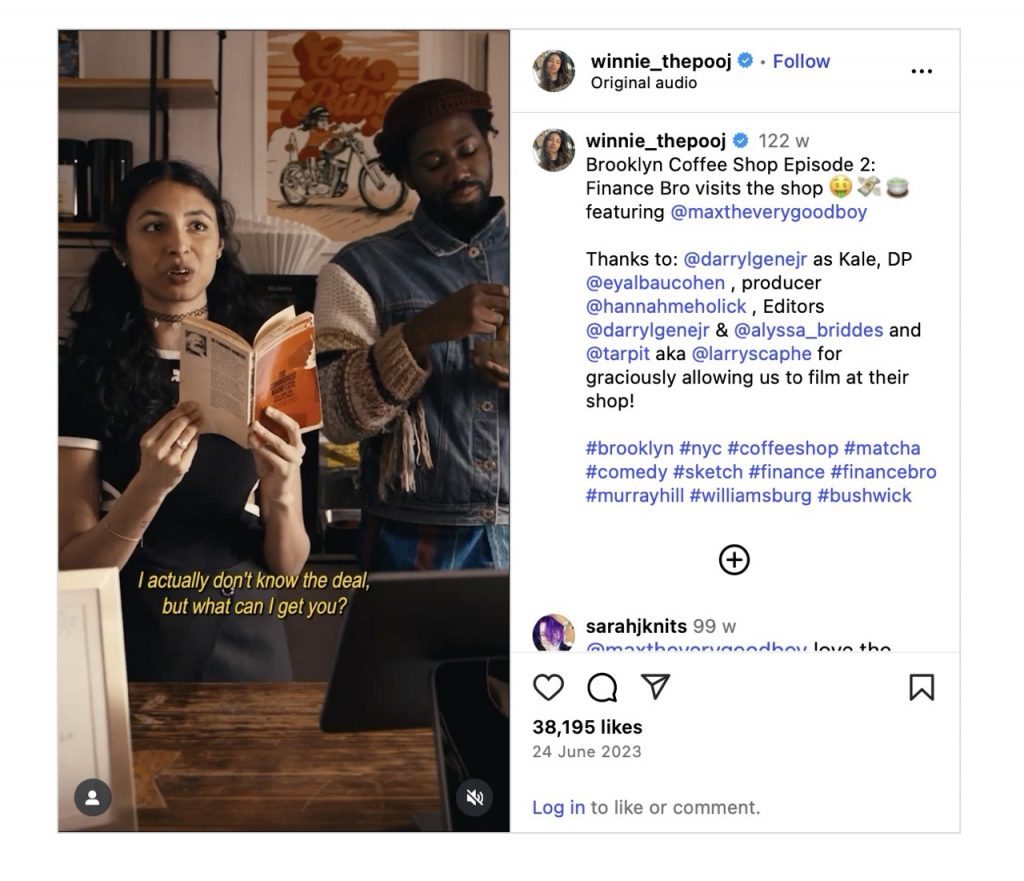
Dokonalým příkladem je Brooklyn Coffee Shop, který vytvořil vertikální sitcom z prostředí kavárny v Brooklynu. Jde o ostrou satirickou sérii, která mění internetové subkultury v hyperrealistické skeče. Každá epizoda s novými tvářemi přináší svěží energii a dosahy, zatímco kavárna samotná se stává součástí příběhu značky. Dokazují, že nepotřebujete televizní rozpočet, ale chytrý nápad a strukturu.
Jak na to správně
- Zvolte opakující se formát. Edukativní jednohubky, vyprávění příběhů nebo týdenní výzvy.
- Dodržujte stejný vibe. Stejný hook, struktura nebo styl popisku – to buduje známost.
- Plánujte v dávkách (batching). Natočte 3–5 dílů najednou a pak je naplánujte pomocí Kontentino kalendáře, abyste udrželi rytmus.
- Zaujměte okamžitě. Začněte silně (první 3 vteřiny): „Panebože, hádejte co…“ – polidšťuje to a zastavuje scrollování.
- Využijte úspěšné šablony. Když nějaké video vystřelí nahoru, znásobte to – natočte ho znovu s drobnými obměnami.
Příklady video seriálů, které můžete zkusit
- 🎥 „Pondělní Q&A“ – odpovídejte na 3 časté otázky z vašeho oboru.
- 💡 „Moje marketingové tipy“ – 20vteřinové rady ve stejném vizuálním stylu.
- 👩💻 „Středy o workflow“ – ukažte, jak vyrábíte svůj produkt.
- ⭐ „Zkuste tento trend“ – týdenní rozbory trendů a jak je mohou značky využít.
Váš seriál nemusí mít hollywoodskou produkci, potřebuje jen jasnost a konzistenci.
Když to uděláte správně, seriálový obsah změní náhodná videa v rozpoznatelný formát, který buduje loajální publikum a udržuje váš feed sjednocený bez větší námahy.
5. Propagační a prodejní obsah (ve správné dávce)
Prodávejte… ale chytře!
Každá značka potřebuje prodávat. Je to byznys. Ale je to tenký led: příliš mnoho promotion lidi odradí, příliš málo a přicházíte o konverze. Tajemství? Rovnováha.
Osvědčené pravidlo: poměr 80/20 – 80 % vašich postů by mělo informovat, bavit nebo inspirovat a 20 % může přímo prodávat. Mezi ty patří novinky, funkce, case studies, slevy nebo partnerství – vždy ale podané skrze hodnotu, ne jen jako suchý prodej.
Jak ho tvořit
- Začínejte s benefity, ne funkcemi: „Ušetřete 41 % času s X“ zní lépe než „Máme nový update.“
- Používejte vizuály: před a po, metriky, testimonaly.
- Texty pište krátké a úderné, přidejte silné CTA.
- Testujte typy příspěvků – karusely, videa, countdown stories – a měřte, co funguje.
- Sledujte analytiku a plánujte promo na časy, kdy je vaše publikum nejaktivnější.
Propojte promo se storytellingem a nezapomeňte: potřeby vašeho publika jsou na prvním místě. Místo „Kupujte hned“ zkuste „Takhle náš produkt X ušetří 5 hodin týdně – vyzkoušejte si ho zdarma.“ To je příběh postavený na hodnotě i jemná cesta ke konverzi.
Chcete zkombinovat všech pět typů? Tady je šablona 👇🏻
Máte pět pilířů. Co teď? Je čas postavit jednoduchou a opakovatelnou týdenní nebo měsíční content strategii, která vás udrží v rytmu.
Tady je týdenní mix, který můžete hned použít:
| Den | Typ obsahu | Příklad |
|---|---|---|
| Pondělí | Edukativní | „3 tipy, jak tento týden zvýšit engagement“ |
| Úterý | Behind-the-Scenes | „Jak náš tým naplánoval kampaň za 1 hodinu“ |
| Středa | Video | „Zkuste tenhle trik s titulky“ |
| Čtvrtek | UGC | „Shout-out: agentura X právě dosáhla 1 milionu impresí!“ |
| Pátek | Propagační | „Nová funkčnost: označování LinkedIn profilů v postech 🎉“ |
| Víkend | Flexibilní | Ankety, memes nebo rychlé interakce |
Tahle struktura zajistí, že váš feed bude svěží a strategický – každý post má svoji roli.
🤫 Chcete znát tajemství? Tyhle nápady vytvořilo Kontentino AI v Brand Hubu přímo pro sítě Kontentina.
Na tvorbě obsahu není nejtěžší kreativita, ale konzistence. Když ale máte systém, vyvážený mix a správné nástroje, přestanete hádat, co na sociální sítě dávat, a začnete se soustředit na to, proč to tam dáváte.
Až bude váš kalendář příště zet prázdnotou, vzpomeňte si:
- Edukativní obsah buduje důvěru.
- Behind-the-scenes obsah polidšťuje značku.
- User-generated content potvrzuje vaši hodnotu.
- Krátké videoseriály získávají pozornost.
- Propagační obsah mění sledující v zákazníky.
Naplánujte si těchto pět pilířů, připravte je dopředu, rozvrhněte do kalendáře a sledujte, jak váš engagement roste – a přitom ušetříte hodiny práce každý týden. Skvělá strategie na sítě není o tom dělat víc, ale dělat to chytřeji 💡